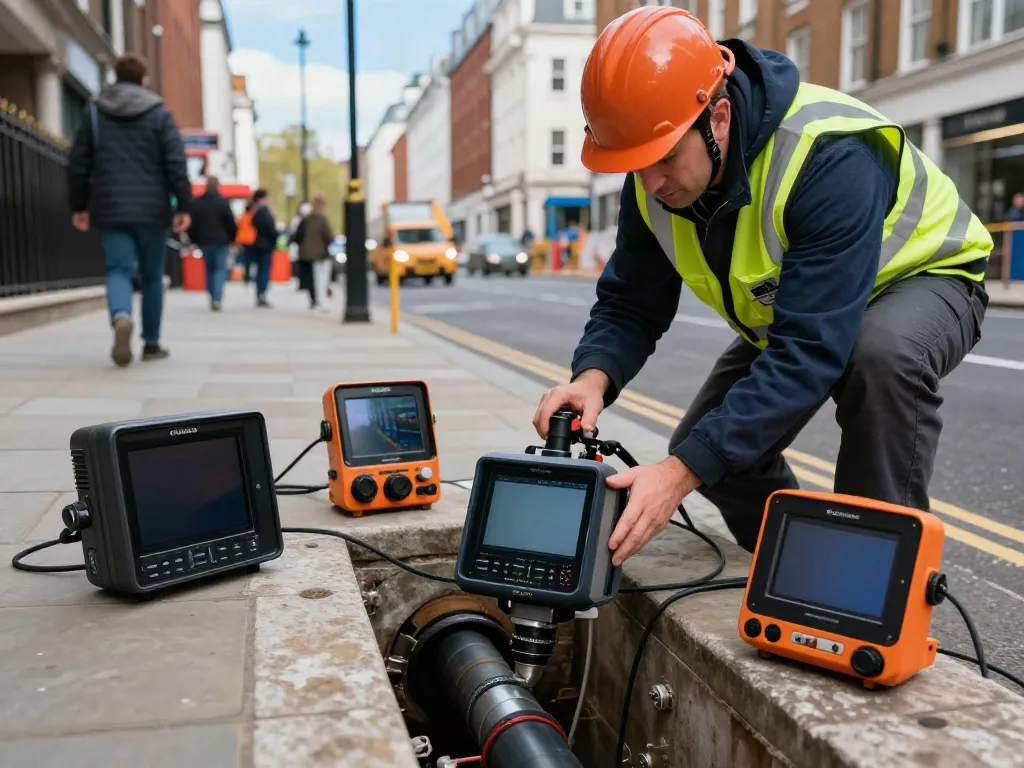
Understanding CCTV Drainage Surveys
CCTV drainage surveys have become an indispensable tool for diagnosing and maintaining the integrity of drainage systems, particularly in urban areas such as London and Surrey. As property owners and developers increasingly prioritise infrastructure health, understanding the nuances of CCTV surveys is essential. These surveys utilise advanced camera technology to provide real-time visual inspections of underground drainage systems, enabling quick identification of issues such as blockages, structural damage, and leaks. If you’re in need of professional insight, exploring options like CCTV Drainage Survey London can provide comprehensive solutions tailored to your specific drainage needs.
What is a CCTV Drainage Survey?
A CCTV drainage survey involves the use of high-resolution cameras, inserted into drainage pipes to capture footage of their internal condition. This method allows specialists to view the state of the pipes without any need for digging or invasive techniques. The cameras can navigate through the pipes, travelling around bends and identifying any potential problems such as cracks, blockages, or root intrusions. The resulting footage is invaluable for assessing the condition of drainage systems and planning maintenance or repairs.
Importance of Regular Inspections
Regular inspections via CCTV drain surveys are crucial for several reasons. With infrastructure often buried and out of sight, potential issues can escalate into costly repairs if left undetected. A proactive approach allows property owners to manage and maintain their drainage systems efficiently, significantly reducing the risk of severe blockages or system failures. Conducting regular surveys ensures that drainage systems across London and the South of the UK are performing optimally, safeguarding against flooding and other related issues.
Key Technologies Used in Drainage Surveys
The technology underpinning CCTV drainage surveys has advanced significantly in recent years. Modern CCTV cameras can operate in challenging conditions, capturing clear, high-definition footage. Alongside cameras, ground-penetrating radar (GPR) is often employed to detect buried utilities and assess the ground conditions surrounding drainage systems. This combination of technologies enables surveyors to provide a comprehensive view of the underground landscape, ensuring that all potential issues are identified.
The Process of Conducting a CCTV Drainage Survey
Initial Planning and Site Assessment
Before any CCTV drainage survey is conducted, an initial planning phase is crucial. This involves reviewing existing drainage plans and conducting a site assessment. Surveyors will identify access points and evaluate the layout of the drainage system to ensure that the survey is executed effectively. This step is essential for maximising the efficiency of the survey and minimising any disruptions during the process.
Executing the Survey with Advanced Equipment
The execution of the CCTV drainage survey involves deploying advanced equipment, including both stationary and mobile cameras. The survey team will insert the camera into the drainage system, often using a remote control to manoeuvre the camera through the pipes. This allows for thorough inspections of areas that are otherwise inaccessible, providing clear video feeds of the pipe conditions.
Interpreting Data and Reporting Findings
After the survey is complete, the footage is reviewed by drainage experts who will interpret the data collected. The findings are compiled into a detailed report, often using software like WinCan, which is the industry standard for drainage survey reporting. This report includes annotations on identified issues, recommendations for repair works, and often a CAD drawing indicating the layout of the drainage system.
Common Issues Detected by CCTV Drainage Surveys
Blockages and Structural Damage
One of the most frequent issues detected through CCTV drainage surveys is blockage caused by debris, tree roots, or collapsed pipes. Knowing where blockages occur and why is vital for planning effective remedial actions. Structural damage, such as cracks and misalignments, can also be identified, which can prevent future flooding or drainage problems.
Identifying Leaks and Root Intrusions
Leakages pose significant risks to drainage systems, often leading to water damage and structural integrity issues. CCTV drainage surveys are effective at pinpointing the exact location of leaks, facilitating timely repairs. Additionally, root intrusions from nearby trees can severely impact the functionality of drainage systems. Identifying these intrusions early is crucial to mitigating damage.
Understanding Pipe Conditions and Maintenance Needs
Through CCTV inspections, surveyors can assess the overall condition of drainage pipes. This evaluation helps in determining the maintenance needs, ensuring that any systemic issues are addressed before they escalate into larger, costlier problems. Establishing a routine maintenance schedule based on inspection findings can significantly extend the lifespan of drainage systems.
Applications of CCTV Drainage Surveys for Various Professionals
For Home Buyers and Real Estate Agents
For prospective home buyers, understanding the condition of a property's drainage system is critical. A CCTV drain survey can reveal hidden problems that might not be visible during a typical property walkthrough. Real estate agents can leverage these surveys to assure clients of a property's condition, making the sales process smoother and more transparent.
Architectural Planning and New Developments
Architects and developers rely on detailed drainage information when designing new structures. A CCTV drainage survey provides essential data on the existing drainage landscape, allowing for informed decisions that meet local building codes and regulations. This reduces the risk of encountering drainage-related issues during or after construction.
Asset Management for Property Owners
Property managers and owners can use CCTV drainage surveys as part of their routine asset management strategies. By identifying and documenting the state of drainage systems across multiple properties, they can develop maintenance schedules and budget for repairs more effectively. This proactive approach not only saves costs in the long run but also enhances the value of the properties managed.
Future Trends in CCTV Drainage Surveying
Emerging Technologies and Innovations in the Field
The landscape of CCTV drainage surveying is set to evolve significantly with technological advancements. Innovations such as AI-driven analysis tools are beginning to emerge, providing even more precise assessments of drainage conditions. These technologies promise to improve efficiency, accuracy, and data management in the surveying industry.
Increasing Importance of Compliance and Standards
As environmental regulations tighten, the need for compliance in drainage management becomes more critical. CCTV drainage surveys will increasingly be relied upon to ensure adherence to regulations, especially concerning wastewater management and infrastructure integrity. Keeping up with industry standards will be essential for surveyors to remain competitive and reliable.
Predictions for the Industry by 2026
Looking ahead, CCTV drainage surveying will likely see a surge in demand, particularly in metropolitan areas dealing with aging infrastructure. The integration of smart technology into drainage systems will also create new opportunities for proactive maintenance. By 2026, it's expected that the industry will embrace more automated processes, allowing for real-time monitoring and quicker responses to identified issues.
Frequently Asked Questions
How much should a CCTV drain survey cost?
The cost of a CCTV drain survey can vary significantly based on the size and complexity of the drainage system, with prices generally ranging from £150 to £300 for standard inspections. More comprehensive surveys may incur additional costs, particularly if remedial actions are required.
What does a CCTV drainage survey do?
A CCTV drainage survey provides a detailed inspection of underground drainage systems, allowing for the identification of issues such as blockages, structural damage, and leaks without the need for invasive techniques. This method saves time and reduces disruption during inspections.
How long does a CCTV drainage survey take?
The duration of a CCTV drainage survey can vary based on the system's complexity. Generally, a typical survey can be completed within a few hours, with additional time allocated for data analysis and reporting.
Is a CCTV survey required for a build over agreement?
Yes, a CCTV survey is often required for build over agreements mandated by local authorities. This is to ensure that any new construction does not adversely affect the existing drainage systems.
What are the benefits of a CCTV drain survey?
The benefits of a CCTV drain survey include identifying hidden issues before they escalate, providing comprehensive reports that aid in decision-making, and allowing for efficient planning of maintenance and repairs. These surveys can ultimately save property owners time, money, and stress.